Final Fantasy 7
Mar 22, 2026
This post is the first of the Games that Moved Me series where I break down the video games that touched my heart.
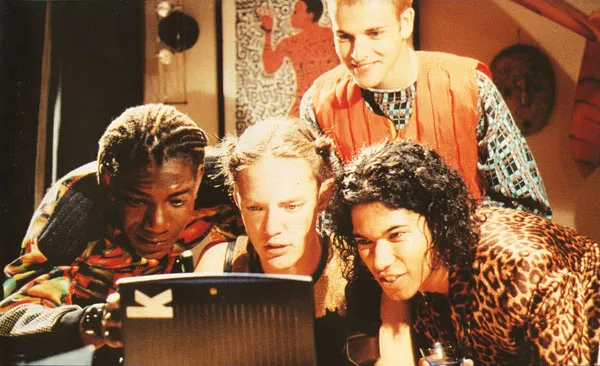
The year was 1997. It was a Friday night. My parents were hosting our school's football game afterparty in my back yard. I should have been out trying to look cool, talking to some girls, mingling a bit, acting like a host. You know.. stuff normal kids do.
Instead, my friends and I snuck inside and were huddled by the TV. On the way home, one of them had rented a Playstation (which was still a relatively unproven console at the time) and the latest Final Fantasy. Yes, you could rent entire game consoles for 2 days and they came in a giant plastic clam shell case.
We had played all of the North American console releases (Final Fantasy on NES, FF2 and FF3 on SNES) but hadn't read much about the new one. The previous titles had beautiful pixel art and stories and a ton of charm but were not widely known. I'm sure it was covered in gaming magazines, but I don't remember hearing a huge fuss.
When we popped the disc in and saw the intro, everyone gasped:
It's moody and atmospheric. It feels intimate (the flower girl walking down the street) but also epic and expansive (the Blade Runner-style zoom out across Midgar). The cutscenes blend into gameplay relatively seamlessly (if you can deal with a bit of judder) and the action sequence throws you right into gameplay.
At this point I had played a ton of cinematic PC games (Wing Commander III, Full Throttle) but none of them managed to capture the feeling of being placed in a movie.
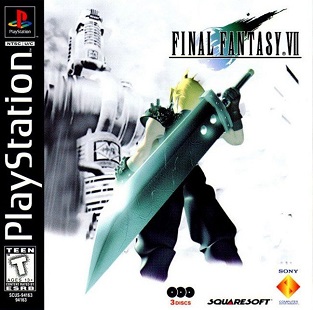
Final Fantasy 7 changed that. It was one of the first console games that felt truly cinematic. The story was deep, the environments were immersive, the backgrounds and fmv cutscenes felt unreal, the characters felt realistic and flawed, the soundtrack was iconic and varied.. I could go on and on.
It was one of those games that just made your jaw drop over and over again.
Art Style: Backgrounds and Cut scenes
Final Fantasy has always pushed the boundaries on art. Its box art (typically hand painted by Yoshitaka Amano) was top notch and stood out on shelves:
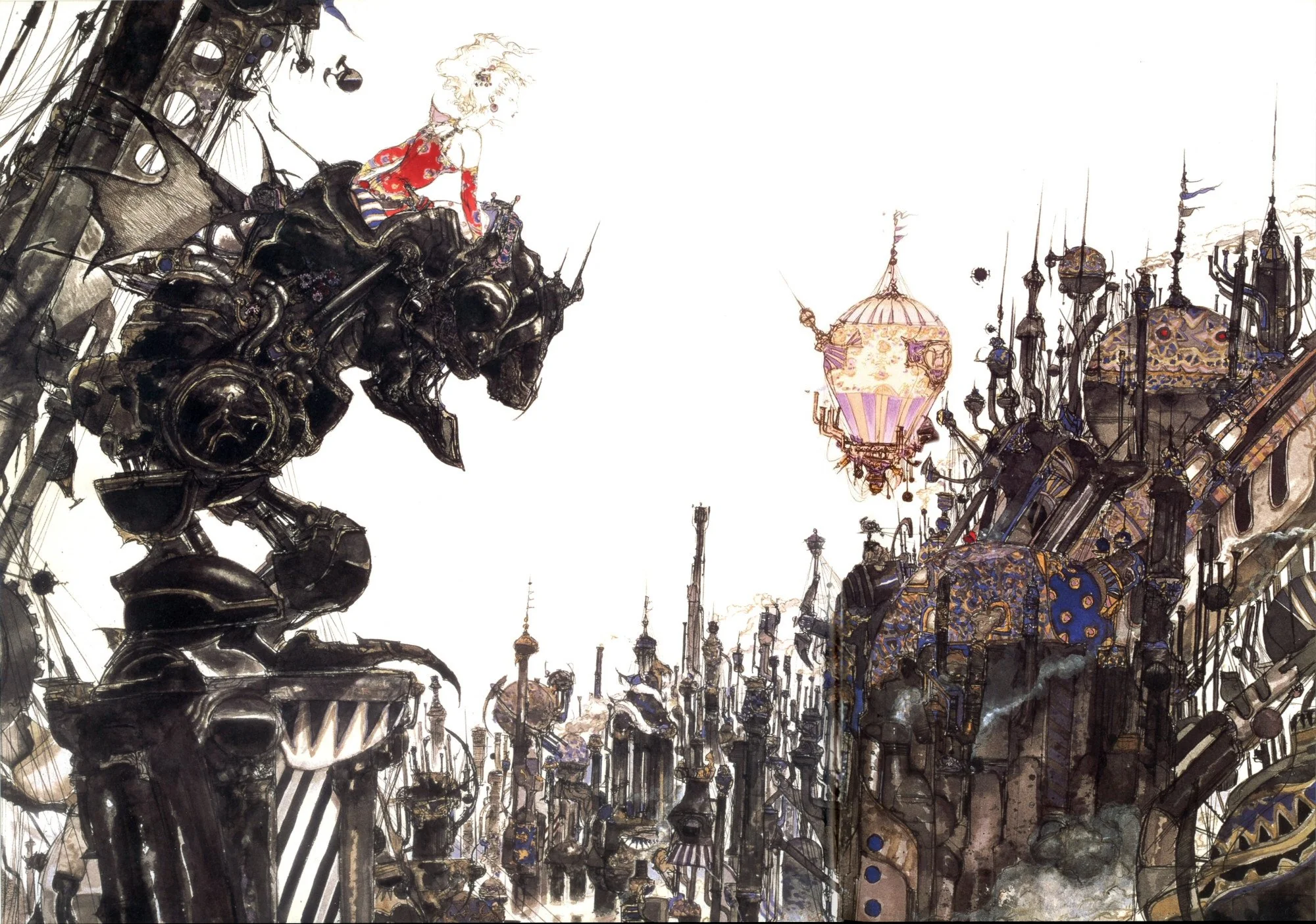
This hand drawn style always drew my eye to Final Fantasy boxes.
In earlier games, the town backgrounds and character designs were iconic. But they always felt set in a heavy fantasy world (before the LotR movies made that cool).
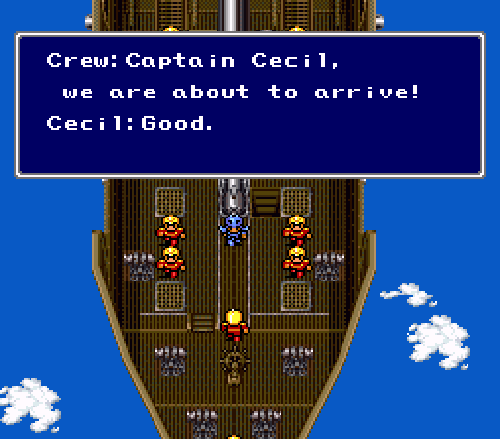
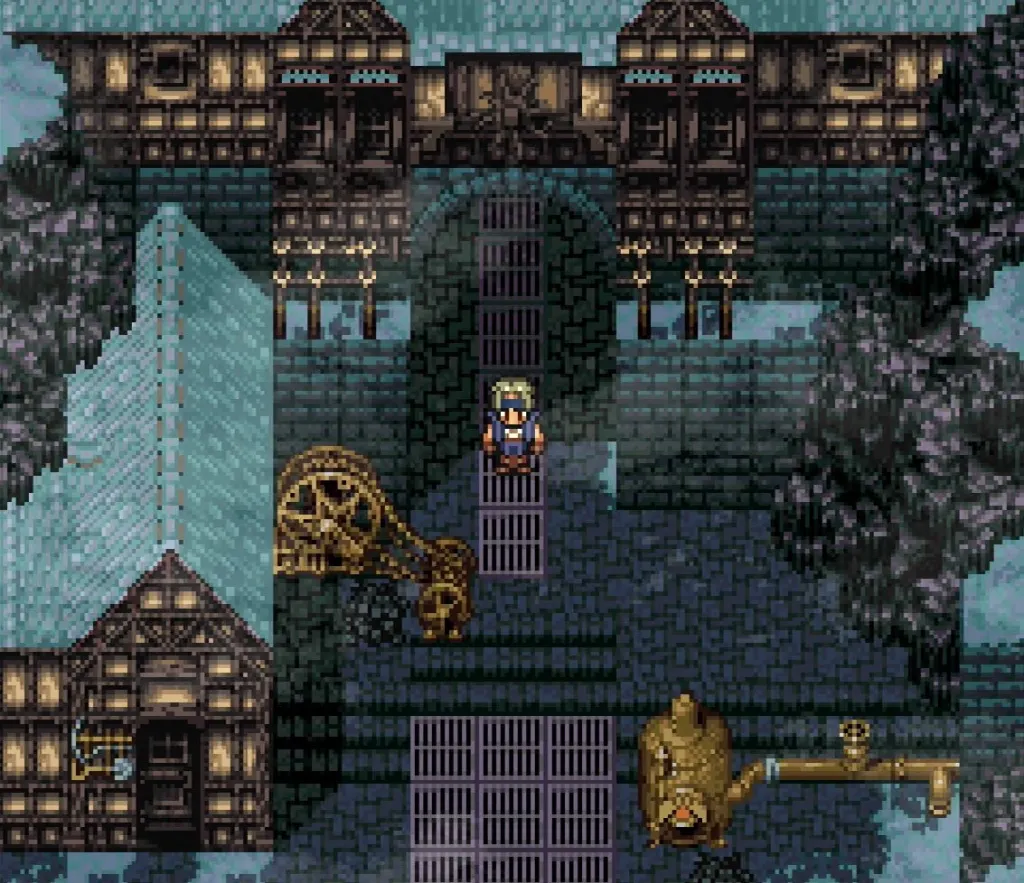
Final Fantasy 7 managed to nail an art style that felt modern, edgy, and much more mature. It was more cyberpunk than steampunk. It used hues of neon mixed with dark grungy colors. It was very on trend with late 90's movies like Blade or The Matrix.
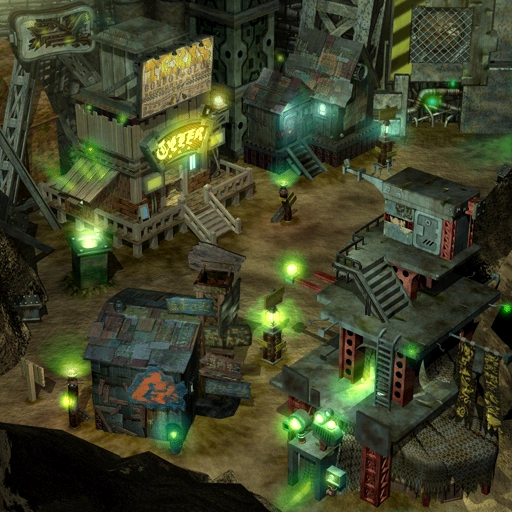
Final Fantasy 7 made it clear that video games were no longer just for kids, they firmly hit the 'angsty teenager' market (of which I was one without resorting to pop punk soundtracks or kitschy characters.
Characters
Most RPG characters to date were relatively simple and predictable. Locke (FF3 US) was a rogue with some wit but has very little depth. Chrono from Chrono Trigger moves through the world without much to say. Dialogue is primarily driven by other characters, most of whom are quite predictable and thin.
The main characters in FF7 had some campy quirks (Cait Sith is a cat riding a giant stuffed moogle, after all) but the characters have depth, multiple layers of motivation, and (to my teenage self), a lot more 'character' than anything we had seen before.
Even the art style, which was blocky and chunky to play to the PSX's rendering tech, looked quirky and cool (see: Cloud's crazy spiky hairstyle), not cartoony and chibi like previous titles.
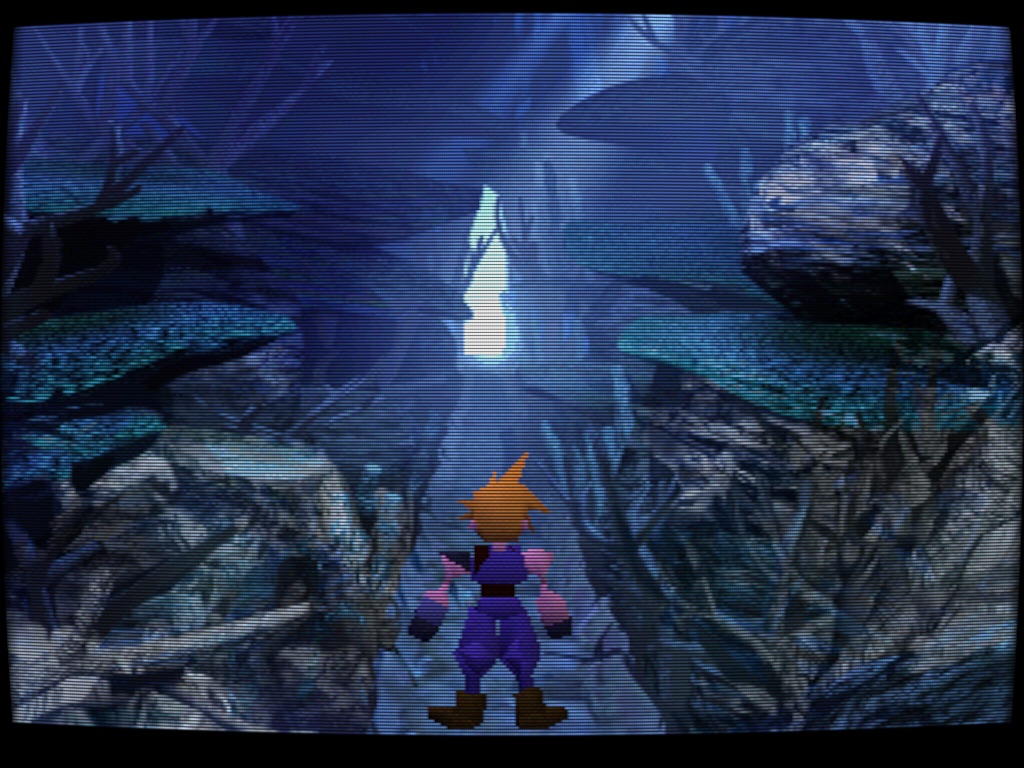
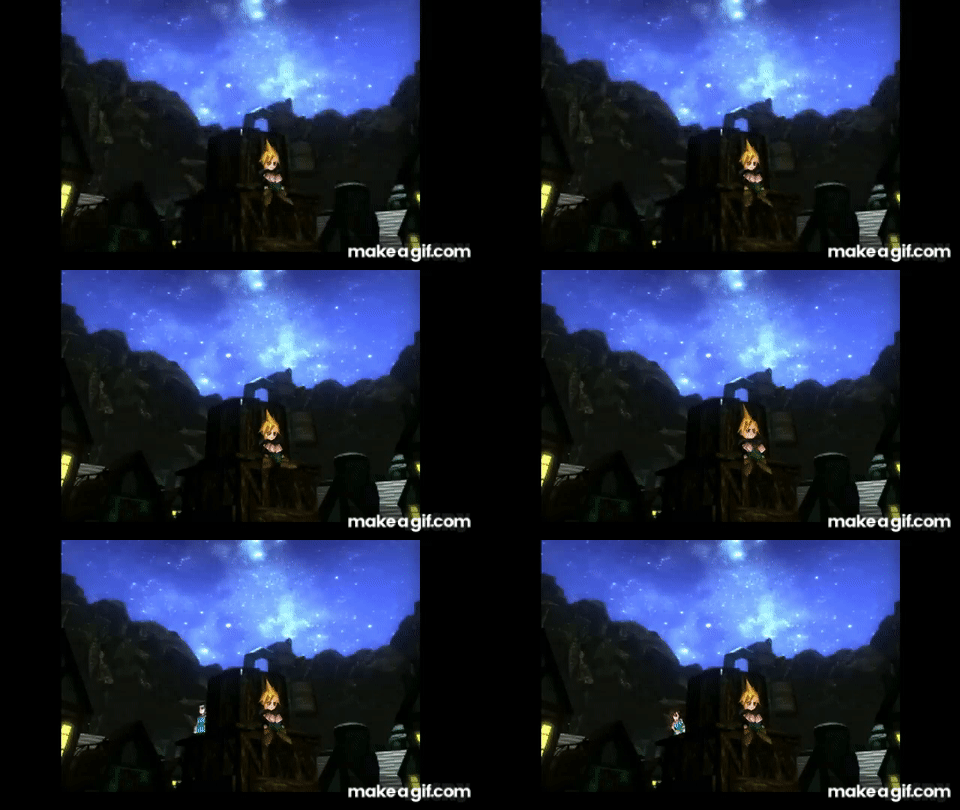
The blocky characters popped against high-resolution 3d backgrounds
Individual characters held grudges. Characters would have side story arcs in their hometowns, or when visiting places they had mentioned in dialogue. And the typical Final Fantasy tropes (e.g. Edgar the playboy prince, Sabin the martial artist training to be the best) were ditched in favor of some more nuanced and complex motivations.
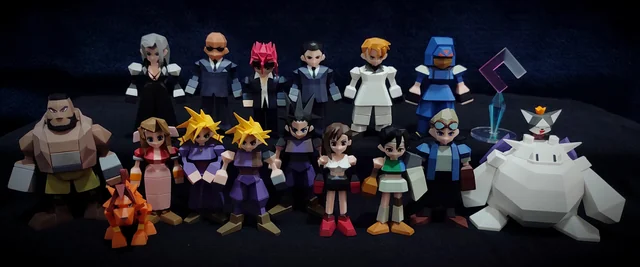
The art style was low poly but gave each character a distinct silhouette and alot of personality.
All of this made the characters feel more real, more relatable, and more human. There were definitely some corny characters in the mix (see: Heidegger who is your typical 'mwa ha ha' villain) but I found myself interested in the Turks, wanting to know more about Godo in Wutai village, and reading the dialogue closely, unlike many RPGs.
Soundtrack
Given how common it is to play games with the volume muted these days, it's hard to remember that there was a time when video games were played at full volume in a family room.
The Final Fantasy 7 soundtrack holds a special place in my heart. The composer (Nobuo Uematsu) managed to nail a few character and area themes that have stuck with me into adulthood.
Aerith's theme and Tifa's theme stand out because they have a deeply calming effect on my nervous system. I can play these in a dark room and drift into quiet meditation.
They are slow, calm, relaxed. In the game, they are paired with very peaceful settings:
- Aerith in a small broken down church.
- Tifa in a dive bar that she bartends with a clunky pinball machine.
There is no action in either scene initially, just friendly conversation and banter.
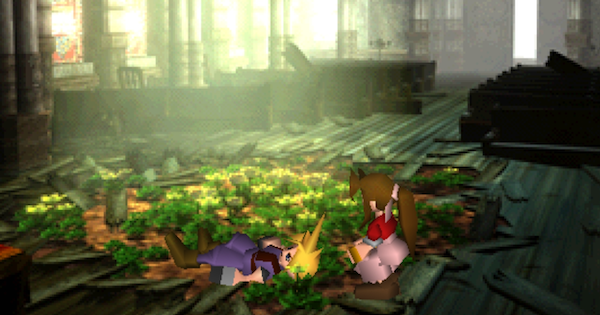
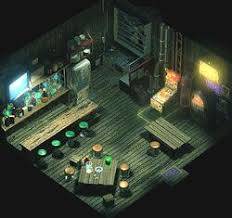
Something about this soundtrack has stuck with me longer than any game. I still turn the sound on and listen whenever I go back and replay it and it always feels fresh and interesting. I also love Mega Ran's hip-hop tribute album that samples the soundtrack heavily, Black Materia.
Story
Final Fantasy 3 US already had a great story. Kafka was a very enviable villain, the characters had clear (albeit predictable) motivations, and the writing improved dramatically over FF2.
But the plot was still pretty straightforward: bad guys try to take over the world, good guys try to stop them, world collapses and needs to be repaired.
The plot of FF7 reads more like an Anime or a movie. Multiple twists, unreliable narration, and villains that manipulate the protagonists without our knowledge.
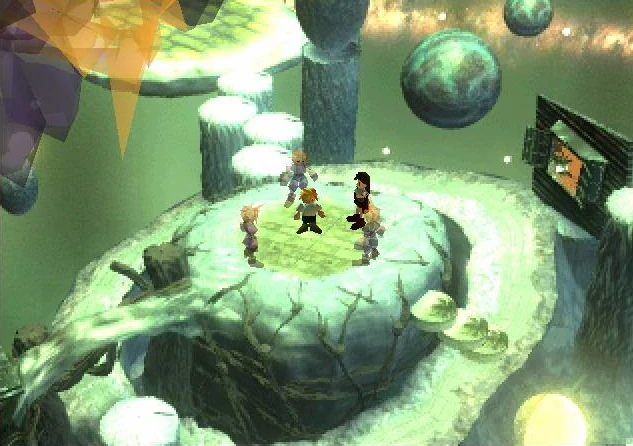
In the book 500 Years Later: An Oral History of FF7, one of the Squaresoft FF7 team members mentions that a senior team member regularly met with a Manga critic to revise the plot and make it more compelling.
The writing definitely reflects a more mature writing style and a team willing to take more risks. The Aerith/Sepiroth scene (even rendered in blocky low poly art) is heart wrenching. The Cloud / Tifa scenes are painful to watch and come as a total surprise.
The game was and still is the only RPG that has kept me interested in the story from start to finish.
Conclusion
Final Fantasy 7, at the time, captivated me in a way no story-driven game had. I spent hours finding secrets, talking to friends about the plot twists, and listened to the soundtrack on repeat. I felt fear, sadness, despair. Things typically reserved for movies.
The bar for what was possible in a game had been raised.
I'm brad. I write about creativity, tapping into my intuition, and living life to the fullest. I send out a brief email whenever I publish a new video or blog post.